Journal / Tea Education

Ode to Sencha: How to Taste the Nuances of Terroir, Cultivar & Craft

Ode to Sencha: How to Taste the Nuances of Terroir, Cultivar & Craft

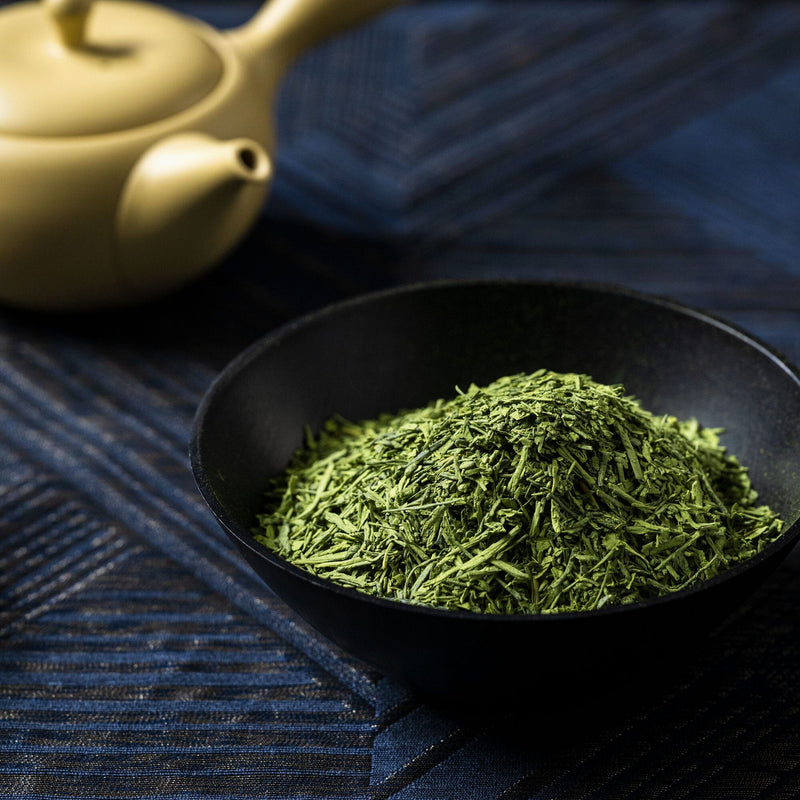
Everyone is talking about matcha, but did you know that the spring of 2025 produced one of the highest quality harvests of Japanese sencha in recent memory? We are absolutely enamored with the single-origin sencha selections in our Garden Direct program this year. Today we’d like to take you deeper into our range of 2025 sencha offerings, providing you with a framework to compare and contrast them. We’ll explore how different geographic regions of origin, tea bush cultivars, and processing details all influence the ultimate taste experience.

Date:

September 17, 2025

Author:

Jeffrey Champeau

Tags:

Share:

What is Sencha?

Sencha is the famous steamed and needle-shaped leaf tea of Japan. The steaming process of Sencha creates a beautifully refreshing flavor, with a pleasant vegetal and savory umami quality. All Sencha share this core characteristic, while differences in terroir, cultivar, and processing bring unique nuances to each harvest.

Shop Japanese Sencha

Key Growing Regions of Sencha

The primary regions where we source Sencha are Kagoshima, Shizuoka, and Uji.

  • Uji (Kyoto Prefecture) – Uji is one of the most ancient tea-growing regions in Japan and the birthplace of Sencha, where production techniques were refined in the 18th century. Uji teas are noted for their rich umami taste.
  • Kagoshima (Kyushu Island) – A volcanic region that produces Sencha that is bright, juicy, and vividly green. These teas balance pleasant bittersweet grassiness with subtle umami depth.
  • Shizuoka (near Mt. Fuji) – A mountainous, high-elevation region with teas that tend to be more aromatic and refined. Shizuoka Sencha is known for its yamano kaori, or “mountain fragrance,” with elegant tannin structure and floral or resinous aromatic notes.

Together, these three regions represent the spectrum of Sencha flavor—from bright and juicy, to rich and umami-laden, to aromatic and floral.

Cultivars and Their Flavor Profiles

Just as grape varietals shape the taste of wine, tea bush cultivars influence the character of Sencha. In Japan, decades of cross-breeding innovation have produced dozens of cultivars, each with distinctive traits. For example:

  • Saemidori – Beloved for vivid green color and rich umami.
  • Koushun – Prized for resinous woods and Sakura blossom aromatics.
  • Asatsuyu, Yutaka Midori, and Yabukita – Each bringing its own nuances of sweetness, body, and aroma.

Different cultivars thrive in different terroirs—some are ideally suited to Kagoshima’s volcanic soils, while others flourish in Shizuoka’s mountain climate.

Explore Japanese Green Teas

Artisan Processing: Shaping the Taste of Sencha

Beyond terroir and cultivar, artisan choices in farming and processing shape Sencha’s flavor:

Shading (Kabusecha)

Covering the bushes before harvest concentrates umami-rich amino acids, increases L-theanine, and reduces tannins. Kabuse Sencha often evokes flavors of kombu seaweed or oceanic depth.

Steaming Degree

  • Asamushi ("light-steamed") preserves whole leaves and delicate cultivar notes.
  • Chumushi ("mid-steamed") balances richness with structure.
  • Fukamushi ("deep-steamed") creates vivid green, opaque infusions with a brothy mouthfeel.

Final Baking (Shiage / Hika)

Producers may adjust the final roast to elevate aroma. A Sencha with pronounced “fire aroma” has a heightened, toasty fragrance layered over its vegetal base.

Navigating Rishi’s 2025 Sencha Collection

We group our Garden Direct Sencha offerings into two broad categories:

Umami & Mineral-Rich Styles

Mostly from Kagoshima, these teas brim with volcanic minerality and savory umami. Highlights include:

Yaeyama Shincha Yabukita-image

Yaeyama Shincha Yabukita

Minerality | Deep Umami | Sweet

from $42

Nishi-san's Shincha Saemidori-image

Nishi-san's Shincha Saemidori

Vibrant | Fresh | Rich Umami

from $36

Arita Shincha Asatsuyu-image

Arita Shincha Asatsuyu

Spring Dew | Rich Umami | Minerality

from $42

Onizuka Shincha Yutaka Midori-image

Onizuka Shincha Yutaka Midori

Rich | Deep Umami | Sweet

from $36

Onizuka Shincha Saemidori-image

Onizuka Shincha Saemidori

Vivid Green | Deep | Mountain Minerality

from $36

Alpine Fragrance Styles

These teas showcase refined tannins and the elegant yamano kaori mountain fragrance, mostly from Shizuoka and Uji:

Ujitawara Sencha Asanoka-image

Ujitawara Sencha Asanoka

Bright | Alpine Herbs | Deep Umami

from $34

Shincha Koushun-image

Shincha Koushun

Sakura Mochi | Rich Sweetness | Floral

from $42

Utougi Hand-Picked Shincha Yabukita-image

Utougi Hand-Picked Shincha Yabukita

Lily | Orchid | Light Umami

from $48

Origins & Travel

Explore the world through our articles and travelogues from trips off the beaten path, visiting tea gardens and organic farms that we source from.